Couples Therapy in Falls Church, VA
and throughout VA & NY
Couples Therapy & Discernment Therapy in the Modern World
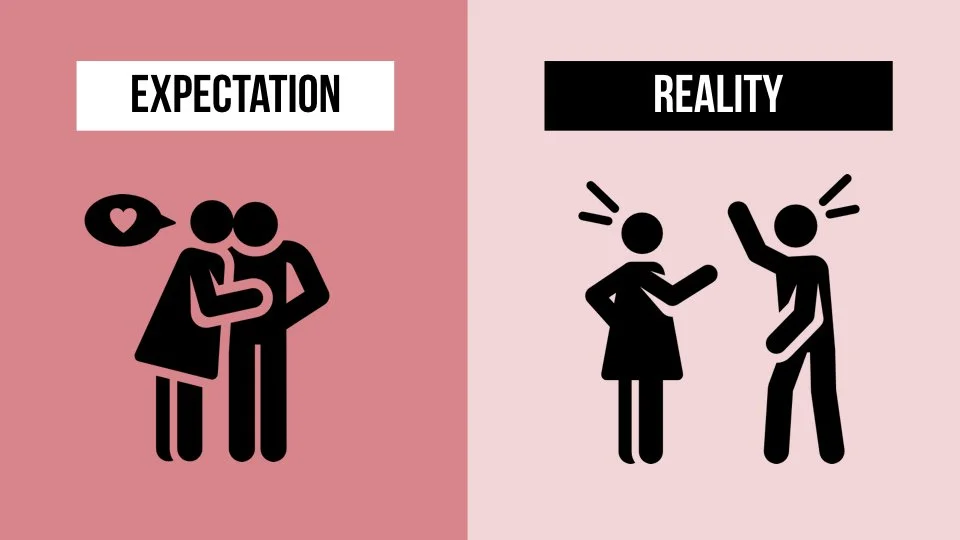
Relationships today carry higher expectations than ever before. Most couples want their partnership to be emotionally fulfilling, supportive, and deeply connected. When conflict, distance, or repeated arguments replace closeness, it can feel confusing and painful—especially when love is still present.
Many couples believe their main problem is communication. In reality, communication difficulties are often a symptom of deeper relational patterns shaped by attachment styles—the ways we learned to connect, seek closeness, and respond to conflict in relationships. These patterns influence how partners interpret each other’s actions, react to stress, and attempt to meet emotional needs.
When Couples Therapy Can help in Falls Church, VA and NY
Couples therapy helps partners understand these patterns and interrupt the negative cycles that keep them stuck. By increasing awareness, emotional safety, and new relational skills, couples can move toward a more secure and supportive connection.
Couples therapy may help if you are experiencing:
Frequent arguments or unresolved conflict
Emotional distance or feeling disconnected
Difficulty understanding each other’s needs
Loss of trust after betrayal or infidelity
Feeling stuck in the same patterns despite trying to fix them
Healthy relationships are not about avoiding conflict—they are about learning how to reconnect after it.

Couples Therapy FAQs
-
Couples therapy can help all kinds of partnerships—married, engaged, long‑term, or early‑stage relationships. Common reasons couples seek therapy include: communication breakdowns, emotional distance, trust issues (including infidelity or betrayal), conflict patterns that don't resolve, major life transitions, and desire to strengthen connection again.
-
Couples therapy can help all kinds of partnerships—married, engaged, long‑term, or early‑stage relationships. Common reasons couples seek therapy include: communication breakdowns, emotional distance, trust issues (including infidelity or betrayal), conflict patterns that don't resolve, major life transitions, and desire to strengthen connection again. -
Change is possible even if your patterns feel deeply ingrained.
Relationship therapy can help you:
✔ Break repeating cycles
✔ Resolve conflict more constructively
✔ Communicate needs without fear
✔ Feel safer being vulnerable
✔ Rebuild trust
✔ Experience connection without losing yourselfYou change through new emotional experiences that teach your body and mind that connection can be safe.
Therapists help you identify negative cycles that keep you arguing or withdrawing, slow down reactions, and learn new ways to express needs so you feel heard without escalation. The work often shifts patterns from defensiveness and avoidance toward empathy, understanding, and responsiveness.
-
Typically, you and your partner will meet together with a therapist to discuss what brought you to therapy, your goals, and your experiences with one another. The therapist may explore relationship history, patterns of conflict or disconnect, and what you both hope to get out of the work. This session sets the foundation for subsequent sessions. -
Most couples attend sessions together, as the focus is on shared experiences and communication patterns. In some cases, a therapist may recommend individual time with one or both partners to explore personal histories or experiences that impact the relationship. -
No. While many come in during stressful times or after conflicts like betrayal, couples also seek therapy to prevent issues, deepen connection, strengthen communication, or prepare for life transitions like marriage or parenthood.
-
Couples therapy isn’t the place to decide whether you want to work on the marriage or relationship (if this is where you’re at, Discernment Counseling would be a better fit for you).
Two of you are stuck at a crossroads: one of you is leaning in, and one of your is leaning out. Together, as a team, we will decide whether to try to restore your marriage to health, move toward divorce, or take a time out and decide later.
Number of Sessions: A maximum of 5 counseling sessions. The first session is usually 2 hours and the subsequent are 1.5 or 2 hours.
Discernment Counseling is not suited for these situations:When one spouse has already made a final decision to divorce
When one spouse is coercing the other to participate
When there is danger of domestic violence
-
In Discernment Counseling, the goal is to help couples choose between one of three paths:
Path One: Maintaining the status quo; keep the relationship “as-is”
Path Two: Separation or divorce
Path Three: A six-month commitment to couples therapy during which time divorce off the table.
Session frequency and length
Discernment Counseling is time-limited, typically 1 to 5 sessions.
The initial session is 2 hours and follow up sessions, if needed, are 1.5 to 2 hours.
A decision is made each time about whether to meet again.
Session structure
Sessions are a combination of joint time and one-on-one conversations with each spouse.
After each individual conversation, the partner briefly shares what they took away from their one-on-one time.
Marriage Counseling Approaches
My work draws from the most advanced research on adult attachment and relationship science. These approaches help couples understand the deeper emotional dynamics shaping their relationship and develop healthier patterns of connection.
Imago Relationship Therapy (Harville Hendrix, PhD) explores how early relationship experiences influence the partners we choose and the conflicts we experience. Couples learn how unresolved emotional needs from earlier relationships can show up in adult partnerships—and how partners can support each other’s healing and growth.
Emotionally Focused Therapy (EFT) (Sue Johnson, PhD) is an attachment-based approach that focuses on strengthening emotional bonds between partners. EFT helps couples identify negative cycles of criticism, withdrawal, or anger that arise when partners feel emotionally disconnected. Through therapy, couples learn to rebuild emotional safety, deepen understanding, and create a stronger sense of connection.
The Gottman Method (John and Julie Gottman, PhD) is a research-based approach to couples therapy grounded in decades of relationship studies. The Gottman Method helps couples improve communication, navigate conflict more effectively, rebuild trust, and strengthen friendship and emotional intimacy. Couples learn practical tools for managing recurring disagreements, increasing emotional attunement, and creating healthier patterns of connection.
These evidence-based approaches focus not only on communication skills but on strengthening the emotional bond that allows relationships to thrive.
If you are noticing repeating conflict cycles or misunderstandings in your relationships, therapy can provide clarity and support.
You are welcome to schedule a free 15-minute virtual consultation to see if working together feels like a good fit.