
Trauma Therapy
in Falls Church, VA
& New York
Explore my range of modalities designed to help you move forward with confidence, wherever you're headed next.
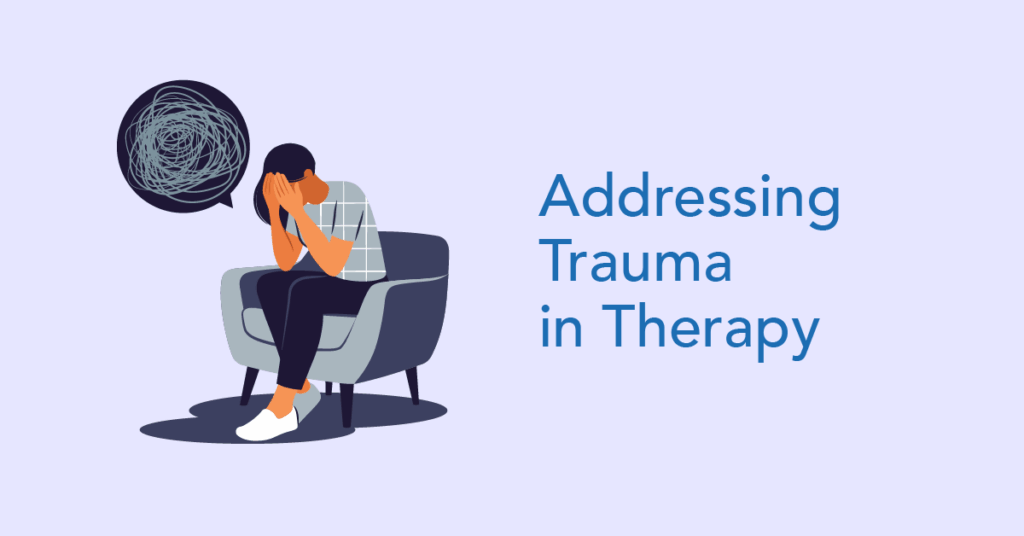
Trauma Therapy in Falls Church, VA
and throughout Virginia & NY
Trauma doesn’t always look the way people expect it to.
It isn’t only about what happened — it’s about how your brain and body learned to protect you afterward.
Those protective responses can continue long after the original experience is over.
You might notice:
Anxiety or panic that feels bigger than the situation
Emotional reactions that seem to come out of nowhere
Difficulty feeling safe or settled, even when life is stable
Relationship patterns that repeat despite your best efforts
Feeling numb, disconnected, or stuck
A lingering sense that something was your fault, even when you know it wasn’t
You overthink everything after conflict
You feel lonely even when you’re not alone
You want closeness but also feel guarded
You keep attracting unavailable or mismatched partners
You shut down, explode, or withdraw when emotions run high
Trust has been damaged and you don’t know how to repair it
You’ve done personal growth work — but relationships still feel confusing
Understanding Early Life Trauma Stressors

Research on Adverse Childhood Experiences shows that early experiences such as emotional neglect, chronic family stress, or unstable relationships can shape how our nervous systems respond to stress later in life.
Many adults who appear highly functional on the outside still carry the emotional imprint of these early experiences. This can show up in adulthood as anxiety, difficulty trusting others, relationship patterns that repeat, or a persistent sense of internal tension.
These patterns are not character flaws — they are adaptations your nervous system developed to help you survive earlier experiences.
Trauma therapy helps your mind and body update those patterns so they no longer control your present life.
Trauma therapy in Falls Church, VA can help you:
Regulate and
Co-Regulate
Reduce emotional reactivity.
Self-understanding
Understand the origins of recurring relationship patterns.
Process
Process overwhelming experiences safely. Our work moves at a pace your nervous system can tolerate — without forcing you to revisit experiences before you’re ready.
Inner Peace
Restore a sense of internal stability and self-trust.
FAQs about Trauma Therapy in Falls Church, VA:
-
Trauma can change how we see ourselves, other people, and the world around us.
Experiences that overwhelm our ability to cope can leave lasting emotional and physiological imprints. These may include violence, accidents, abusive relationships, medical events, or sudden losses. Trauma can also develop gradually through chronic stress, neglect, or repeated relational harm.
Sometimes people experience intense symptoms immediately after an event. For others, the effects appear later in the form of anxiety, emotional shutdown, relationship difficulties, or persistent self-blame.
Trauma is deeply personal. Two people can experience the same event and respond very differently depending on their history, support systems, and nervous system responses.
-
In therapy, people often think of betrayal as “cheating,” but betrayal trauma is broader: it occurs when someone you depend on for safety, care, honesty, or attachment violates that trust in a significant way.
Common forms include:
Emotional infidelity: sharing intimacy, emotional dependence, secrecy, or attachment with someone else while excluding the partner.
Sexual betrayal beyond affairs: compulsive pornography use kept secret, hidden sexual behavior, dating apps, secret sexual messaging, sex workers, or concealed sexual identities/activities.
Loyalty betrayal: taking outsiders’ side against a partner repeatedly, allowing family members or friends to attack or undermine the relationship, or failing to protect the relationship.
Deception and chronic lying: gaslighting, hiding important information, maintaining double lives, repeated lies even about “small” things.
Reproductive betrayal: hiding contraception use, sabotaging birth control, coercing pregnancy decisions, concealing fertility information.
Health and safety betrayal: hiding sexually transmitted infections, substance abuse, gambling addictions, dangerous behaviors, or serious medical information that affects the relationship.
Addiction-related betrayal: secrecy surrounding alcohol, drugs, gambling, pornography, or compulsive behaviors.
Privacy betrayal: reading journals, phones, emails, tracking locations, recording conversations, sharing private information without consent.
Abandonment betrayal: disappearing during crises, emotional withdrawal, leaving during vulnerable periods (pregnancy, illness, grief).
Family betrayal: failing to defend a partner from abusive relatives, maintaining harmful triangulation, exposing children to unsafe environments.
Identity betrayal: pretending to share core values or life goals—marriage, children, monogamy, religion, lifestyle—while secretly wanting something different.
Coercion and manipulation: using guilt, intimidation, threats, silent treatment, or control to shape behavior.
Public humiliation betrayal: shaming, mocking, exposing vulnerabilities, or discussing private matters publicly.
Attachment betrayal: inconsistent caregiving, intermittent affection, creating cycles of closeness and withdrawal that destabilize emotional security.
Financial betrayal: hiding debt, secret spending, concealed bank accounts, gambling losses, undisclosed loans, lying about income, financial control, draining shared resources, secretly supporting another person, hiding major purchases, or making large financial decisions without consent.
For many clients, the deepest wound is not the act itself—it is the collapse of reality: “I thought I knew who this person was.” The nervous system often reacts with trauma-ridden symptoms: hypervigilance, obsessive thinking, replaying conversations, checking behaviors, anxiety, distrust, sleep disruption, and difficulty feeling safe again.
-
Not everyone experiences trauma in the same way, but common symptoms include:
Intrusive memories
Repeated, unwanted memories or images related to the event.Nightmares
Disturbing dreams involving themes of danger, fear, or helplessness.Flashbacks
Moments where the experience feels as though it is happening again.Avoidance
Avoiding people, places, or situations that trigger reminders of the trauma.Memory gaps
Difficulty recalling parts of the event due to dissociation during the experience.Negative beliefs about yourself or the world
Thoughts such as “I should have known better,” “I can’t trust anyone,” or “The world isn’t safe.”Emotional withdrawal
Loss of interest in activities or feeling detached from others.Irritability or anger
A shorter emotional fuse than you previously had.Hypervigilance
Constantly scanning your environment for danger.Hyperarousal
Difficulty relaxing, concentrating, or sleeping.These responses are not signs of weakness — they are signs that your nervous system has been working overtime to keep you safe.
-
Yes. The brain and nervous system are capable of healing.
Trauma therapy provides a structured and supportive process for understanding and resolving the lasting effects of overwhelming experiences.
Many people hesitate to seek help because they feel their experience wasn’t “serious enough” to count as trauma. In reality, trauma is defined by how an experience affected your nervous system — not by how dramatic it appears from the outside.
Even if you do not meet full criteria for Post-Traumatic Stress Disorder, trauma therapy can still help resolve lingering emotional patterns and restore a sense of stability.
-
We begin by building trust and creating a foundation of safety.
Together we identify the memories, emotional patterns, or relationship dynamics that are still affecting your life. Depending on your needs, therapy may integrate approaches such as:
Eye Movement Desensitization and Reprocessing
Internal Family Systems
Psychodynamic psychotherapy
Cognitive Behavioral Therapy
Somatic Experiencing
Trauma Narrative Therapy
These approaches help process unresolved experiences while strengthening your ability to regulate emotions and feel grounded in the present.
The goal is not to relive the trauma, but to help your nervous system fully process experiences that were previously overwhelming.
-
Not at all.
Many clients initially hesitate to call their experiences trauma. They may describe a difficult relationship, a painful divorce, a frightening medical event, or a complicated childhood.
If an experience continues to affect your emotional responses, relationships, or sense of safety, trauma therapy may still be helpful.
The focus is not on labeling your experience — it’s on helping you move forward.
-
Yes.
Many therapists seek trauma therapy for their own experiences, including vicarious trauma, burnout, difficult life transitions, or unresolved personal history.
Therapy can provide an important space for clinicians who spend much of their time holding emotional space for others.
-
Post-Traumatic Stress Disorder often develops after a single traumatic event, such as an accident, assault, or natural disaster.
Complex Post-Traumatic Stress Disorder tends to develop after repeated or long-term trauma, especially within close relationships, such as childhood neglect or ongoing emotional abuse.
In addition to classic trauma symptoms, complex trauma can include:
chronic shame or self-blame
emotional dysregulation
persistent relationship difficulties
negative self-concept or identity confusion
Both forms of trauma are treatable. Therapy focuses on helping your nervous system process unresolved experiences while rebuilding a sense of safety and self-trust.
-
My fee for trauma therapy is $200 per session.
I am an out-of-network provider, but many clients receive partial reimbursement through their insurance plans. I partner with Thrizer to help verify your out-of-network benefits and simplify the reimbursement process.
If preferred, I can also provide a monthly superbill that you can submit directly to your insurance company for possible reimbursement.
Start Trauma Therapy
Beginning trauma therapy can feel like a big step. Many people have questions before scheduling their first appointment.
I offer free 15 min virtual consultation calls so you can ask questions and see whether working together feels like the right fit.
You can check available times and schedule a consultation through my Calendly.
.