Signs of Love Addiction or Obsessive Attachment in Falls Church,VA
and throughout VA & NY
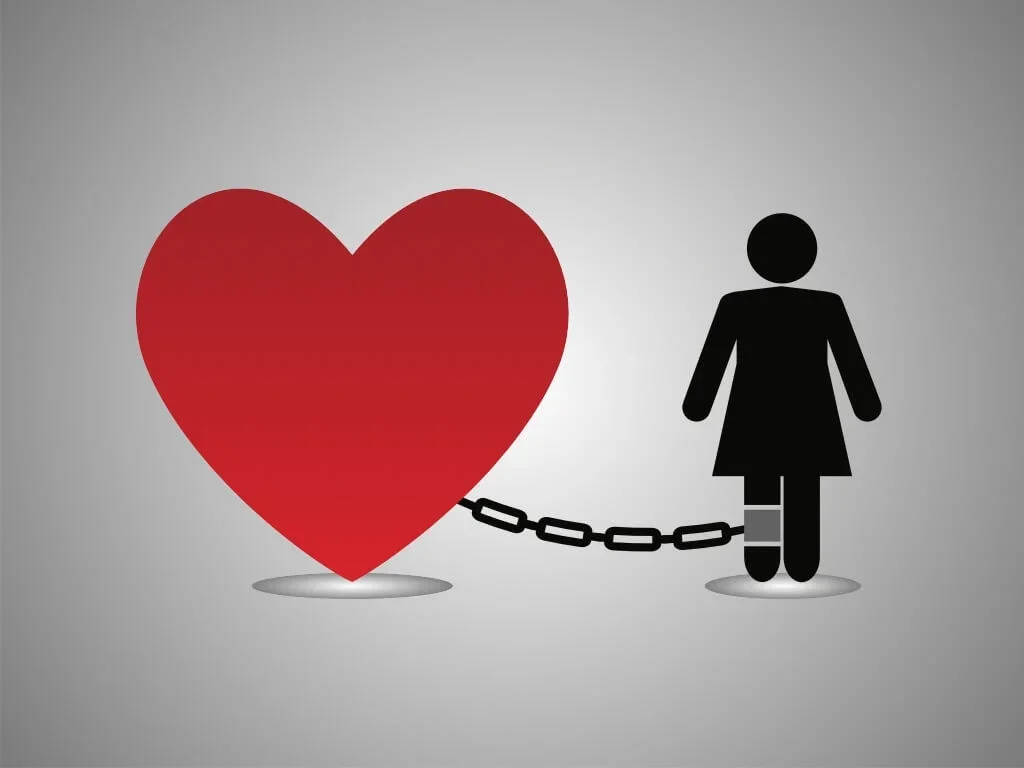
Signs of Love Addiction or Limerence in Falls Church, VA
and throughout Virginia and NY
You may relate to love addiction patterns if you:
Constantly think about a romantic partner or potential partner
Feel emotionally dependent on the relationship for your sense of stability
Experience anxiety, panic, or intrusive thoughts when a partner withdraws
Stay in relationships that are clearly unhealthy or incompatible
Feel euphoric during closeness and devastated during distance
Struggle to focus on other areas of life when involved in a relationship
These experiences often stem from attachment wounds, a midlife crisis, an unhappy or surface level marriage/relationship, unresolved grief, relational trauma, or early emotional patterns that shape how we bond with others, and can be intensified by conditions such as anxiety, autism, OCD, ADHD, or difficulties with emotional regulation.
Clinically, OCD, ADHD, AdjD, Autism and reward sensitivity and reinforcement-based learning patterns can contribute to the restless, obsessive, difficult-to-detach dynamic:
OCD can fuel intrusive thoughts, reassurance-seeking, compulsive checking of texts/social media, mental reviewing of interactions, and difficulty tolerating uncertainty in relationships.
ADHD can contribute through hyperfocus, emotional impulsivity, rejection sensitivity, novelty-seeking, and difficulty shifting attention away from a romantic interest.
When ADHD and OCD are comorbid, the combination can be especially powerful: ADHD can create intense focus on the attachment figure while OCD generates repetitive doubt, rumination, and checking behaviors.
Adjustment Disorder (AjD) can intensify restlessness and obsessive relational focus by overwhelming the nervous system’s capacity to adapt to a recent stressor, leading to heightened rumination, emotional reactivity, and difficulty disengaging from the triggering relationship or event as the mind repeatedly attempts to restore a sense of stability and meaning.
Autism: Deep focus, difficulty shifting attention, a strong need for predictability, and challenges interpreting social cues can sometimes contribute to becoming highly preoccupied with one person. Uncertainty or inconsistent reciprocation may further intensify this focus, leading to rumination, analyzing interactions, and heightened sensitivity to signs of connection or rejection. Understanding these patterns can help distinguish intense autistic attachment from obsessive love while creating greater flexibility, emotional regulation, and security.
Heightened reward sensitivity and reinforcement-learning patterns can increase vulnerability to intermittent reinforcement dynamics, where unpredictable connection or validation strengthens preoccupation and reinforces repetitive checking, rumination, and attachment activation, making the relational focus feel compelling and difficult to interrupt even when it is distressing.
FAQs on the Fantasy Love Types
-
Love addiction is a pattern of compulsive attachment in which a person becomes dependent on the fantasy of romantic rescue, validation, or emotional completion through another person. Love AddictionLove addiction is a compulsive pattern of seeking romantic connection to soothe loneliness, insecurity, or unmet emotional needs. A person may repeatedly pursue relationships, unavailable partners, or intense romantic experiences because being desired, chosen, or connected provides a temporary sense of worth, safety, or emotional relief. The relationship is often driven more by imagined fulfillment and longing than by the reality of who the partner actually is.
-
Limerence
Limerence is an involuntary state of intense romantic preoccupation in which a particular person becomes unusually salient in the mind. Thoughts, fantasies, and emotional highs and lows become closely tied to signs of reciprocation, rejection, or uncertainty, creating a powerful cycle of anticipation and longing. The mind constructs a powerful imagined connection that may not reflect the actual relationship.
-
A fantasy bond is the illusion of intimacy that replaces genuine emotional closeness in a relationship. Instead of experiencing real connection, a person maintains a psychological fantasy of security, attachment, or partnership that masks emotional distance.
-
Obsessive love occurs when a person becomes fixated on another individual and builds a powerful narrative about the relationship’s importance or destiny. The attachment is often sustained by fantasies of union, belonging, or salvation that overshadow the reality of the relationship.
While limerence is characterized primarily by intrusive romantic thoughts, idealization, and an intense sensitivity to signs of reciprocation, obsessive love centers more broadly on the fixation itself—the belief that a particular person or relationship holds exceptional emotional significance.
Love addiction, by contrast, is less about fixation on one specific person and more about a recurring dependence on romantic attachment to regulate emotional needs. Someone with a love-addiction pattern may repeatedly seek relationships, validation, or intense romantic experiences to feel secure, worthy, or complete.
In this sense, obsessive love is about the person becoming the fixation, limerence is about the mind becoming consumed by romantic uncertainty and anticipation, and love addiction is about romantic attachment becoming a source of emotional regulation or dependency.
-
Obsessive Love Disorder is not a formal diagnosis recognized by the DSM-5-TR, but the term is sometimes used to describe an extreme form of obsessive love in which romantic preoccupation becomes persistent, consuming, and increasingly difficult to control. It may involve intense possessiveness, fixation, jealousy, monitoring, repeated attempts to maintain contact, or difficulty respecting the other person’s boundaries. In its more severe forms, the fixation can take on stalking-like or intrusive behaviors. The attachment may be reinforced by fantasies about the relationship and a belief that the other person is essential to meeting emotional needs, providing security, or resolving feelings of inadequacy.
-
A trauma bond is a powerful, often addictive attachment that forms through repeated cycles of affection, mistreatment, and reconciliation. Moments of kindness, intimacy, or relief can reinforce hope for the loving partner one believes exists beneath the harm, making the relationship incredibly difficult to leave—even when the pattern has become painful or unsafe.
The intermittent nature of the affection can make the bond especially compelling. Periods of rejection, conflict, or abuse are followed by moments of connection or tenderness, creating a cycle of distress and relief that can feel almost addictive. This can lead a person to repeatedly leave and return to the relationship; research and clinical literature often note that people may make multiple attempts to leave before successfully breaking the cycle.
The bond is often sustained by the belief that the relationship can return to its earlier, idealized version—or that enough love, patience, or understanding can finally transform the dynamic.
-
Relationship OCD involves intrusive doubts about one’s partner or relationship, leading to compulsive reassurance-seeking and mental checking. The disorder often reflects a struggle to reconcile the reality of a relationship with the imagined ideal of what love “should” feel like.
How Therapy Can Help in VA & NY
Understanding the Psychology of Obsessive Love
Therapy helps you understand why certain relationships trigger intense attachment and why letting go can feel nearly impossible.
Working With Attachment Patterns
Using an attachment-informed approach, we explore how early relational experiences influence your emotional responses in adult relationships.
Reducing Obsessive Thought Patterns
Many clients experience repetitive or intrusive thoughts about a partner. Therapy helps you develop awareness of these patterns while learning ways to regain emotional steadiness.
Strengthening Emotional Stability
A key focus of therapy is helping you develop a stronger sense of self that is not dependent on the presence or validation of a romantic partner.
Creating Healthier Relationship Dynamics
As emotional awareness grows, clients often begin to choose relationships that feel calmer, more secure, and more aligned with their values.
A Reflective Approach to the Study of Love
My work integrates attachment theory, psychodynamic insight, trauma-informed care, and relational psychology to help clients better understand the emotional patterns that shape their relationships.
Together, we explore the deeper meaning behind intense romantic attachment while helping you build a more stable and fulfilling relational life.
Begin the Conversation
If you feel overwhelmed by obsessive thoughts or intense relationship attachment, therapy can help you find steadiness again.
You are welcome to schedule a free 15-minute virtual consultation to see whether working together feels like the right fit.